-(10ft.-Sections-5ft.-Poles-On-Center)-250x250w.jpg "Aluminum Fences & Rails | 10ft Sections")
What Is El Niño?
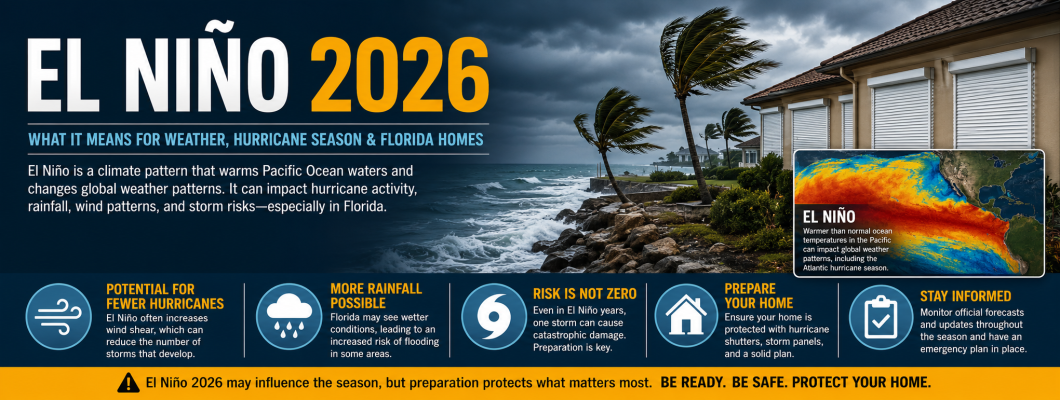
El Niño is a natural climate pattern caused by unusually warm ocean temperatures in the central and eastern Pacific Ocean. While the warming occurs thousands of miles away, El Niño has major effects on weather across the United States, the Atlantic hurricane basin, and especially Florida.
Meteorologists closely monitor El Niño conditions because they can influence:
- Hurricane development
- Rainfall totals
- Wind shear
- Winter temperatures
- Severe weather patterns
- Flooding and drought risks
For homeowners in hurricane-prone states like Florida, Texas, Louisiana, Alabama, Mississippi, South Carolina, and North Carolina, understanding El Niño is critical for storm preparation.
How Could El Niño Affect the 2026 Hurricane Season?
One of the biggest impacts of El Niño is increased wind shear over the Atlantic Ocean. Wind shear disrupts hurricane formation by tearing apart developing tropical systems before they can strengthen.
Historically, strong El Niño years tend to produce:
- Fewer Atlantic hurricanes
- Fewer major hurricanes
- More disrupted tropical systems
- Increased rainfall in parts of the southern U.S.
However, many people misunderstand what this means.
A quieter hurricane season does NOT mean zero hurricane risk.
It only takes one storm making landfall to cause catastrophic damage.
Florida residents learned this lesson repeatedly during past seasons where lower storm counts still produced devastating impacts from a single major hurricane.
Could Florida Still Be at Risk During El Niño 2026?
Absolutely.
Florida remains one of the most hurricane-vulnerable regions in the United States regardless of El Niño conditions.
Even during El Niño years:
- Warm Gulf waters can rapidly intensify storms
- Late-season hurricanes can still form
- Tropical systems can track unpredictably
- Coastal flooding and tornadoes remain possible
In some cases, El Niño may shift storm tracks rather than eliminate risk entirely.
That means homeowners should never reduce hurricane preparedness simply because forecasters mention El Niño conditions.
El Niño and Florida Rainfall
El Niño often brings:
- Wetter winters
- Increased rainfall
- More cloud cover
- Higher flood potential
South Florida can experience prolonged rain events during El Niño periods, especially during winter and spring months.
This creates additional concerns for:
- Roof leaks
- Water intrusion
- Flooding
- Mold growth
- Soil erosion
- Outdoor structure damage
Homes without proper storm protection are often more vulnerable to moisture and wind-driven rain during unstable weather periods.
How El Niño Impacts Hurricane Wind Patterns
El Niño changes upper-level atmospheric winds over the Atlantic basin.
This increased wind activity creates stronger vertical wind shear, which can:
- Prevent tropical storms from organizing
- Weaken developing hurricanes
- Cause storms to collapse before intensifying
But there is a major catch:
If storms manage to survive those hostile conditions and enter warm Gulf or Caribbean waters, rapid intensification can still occur.
That is why preparation matters every season.
What Homeowners Should Do Before Hurricane Season 2026
Regardless of the final El Niño forecast, proactive preparation beats reactive panic every time.
Recommended Hurricane Preparation Steps
1. Inspect Existing Hurricane Protection
Check all:
- Accordion shutters
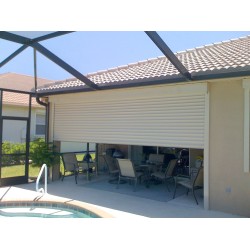
- Roll shutters
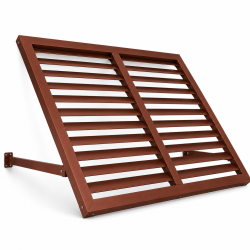
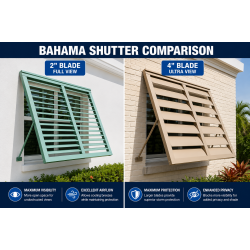
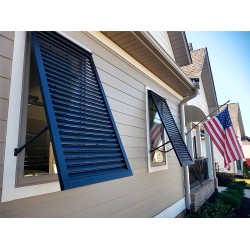
- Bahama shutters
- Colonial shutters
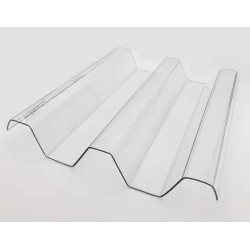
- Storm panels
- Hurricane screens
Ensure systems operate correctly and fasteners are not corroded.
2. Review Insurance Policies
Many homeowners wait until storms appear before checking coverage. That is a mistake.
Verify:
- Hurricane deductibles
- Flood coverage
- Windstorm exclusions
- Roof coverage limitations
3. Secure Outdoor Areas
Loose outdoor furniture, décor, and landscaping materials become dangerous projectiles during tropical storms.
4. Upgrade Weak Openings
Windows and doors are among the most vulnerable parts of a home during hurricanes.
Homes lacking proper protection are at significantly higher risk for:
- Structural pressurization
- Water intrusion
- Glass breakage
- Roof uplift failure
El Niño vs La Niña: What’s the Difference?
La Niña is essentially the opposite of El Niño.
While El Niño often suppresses Atlantic hurricanes, La Niña usually creates:
- Lower wind shear
- More hurricane development
- More active Atlantic seasons
- Greater potential for major storms
Meteorologists continuously monitor whether ocean conditions are shifting between neutral, El Niño, or La Niña phases because those transitions heavily influence seasonal hurricane forecasts.
Will El Niño 2026 Reduce Hurricane Damage?
No climate pattern can eliminate hurricane risk.
Even weaker seasons can produce:
- Major landfalls
- Flash flooding
- Tornado outbreaks
- Storm surge damage
- Widespread power outages
The biggest mistake homeowners make is assuming fewer storms equals lower danger.
Preparation should remain constant every year.
Final Thoughts on El Niño 2026
El Niño 2026 may reduce overall Atlantic hurricane activity, but Florida and Gulf Coast homeowners should not become complacent.
Storm risk remains real.
The smartest strategy is to prepare before peak hurricane season arrives by:
- Reviewing storm protection systems
- Strengthening vulnerable openings
- Creating emergency plans
- Monitoring official forecasts
Weather patterns can shift rapidly, and hurricane seasons are becoming increasingly unpredictable.
For homeowners in hurricane-prone areas, preparation is not optional — it is part of protecting your property, family, and investment.
Suggested Internal Links for SEO
Link this page to:
Related Products