
-(10ft.-Sections-5ft.-Poles-On-Center)-250x250w.jpg "Aluminum Fences & Rails | 10ft Sections")
Hurricane Shutter Wind Load Requirements
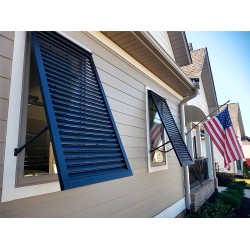
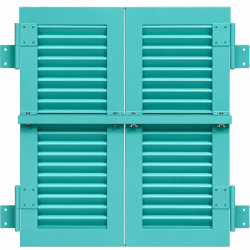
Hurricane shutter wind load requirements help determine the structural performance, attachment methods, and engineering standards needed for hurricane protection systems to withstand severe storm conditions. Hurricane shutters installed in Florida and coastal regions commonly require engineering for design pressures, structural attachment methods, impact resistance, and code compliance.
Maximum Shutters provides factory-direct hurricane protection systems including accordion shutters, rolling shutters, storm panels, impact windows, impact doors, and Miami-Dade approved hurricane protection systems engineered for severe coastal wind exposure.
Wind Load Engineering • Florida Building Code • Miami-Dade Approved • HVHZ Compliance • Since 1997
Request Hurricane Shutter Pricing
What Are Hurricane Shutter Wind Loads?
Wind loads are engineering calculations used to determine the pressure forces hurricane shutters must withstand during severe storm conditions.
Wind load requirements commonly involve:
- Positive design pressures
- Negative design pressures
- Structural attachment engineering
- Opening-specific calculations
- Coastal exposure analysis
- Building height considerations
Wind load requirements vary depending on building location, exposure conditions, and opening size.
What Are Design Pressures?
Design pressures measure the force applied to hurricane protection systems during high wind events.
These pressures commonly include:
- Positive pressures pushing inward
- Negative pressures pulling outward
- Corner zone pressures
- Edge zone pressures
- Internal pressure conditions
Hurricane shutters must be engineered to withstand these forces safely.
What Affects Hurricane Shutter Wind Load Requirements?
Wind load requirements vary based on:
- Building height
- Opening size
- Coastal exposure
- Wind zone location
- Structure type
- Roof configuration
- Corner exposure conditions
Waterfront homes and coastal buildings often require significantly higher design pressures.
Florida Wind Load Requirements
Florida hurricane shutters commonly require engineering for:
- Florida Building Code compliance
- Wind-borne debris regions
- HVHZ requirements
- Coastal wind exposure
- Opening-specific pressures
Engineering requirements vary throughout Florida depending on wind zone exposure and local code requirements.
HVHZ Wind Load Requirements
High Velocity Hurricane Zone (HVHZ) areas such as Miami-Dade and Broward County commonly require:
- Higher design pressures
- Enhanced attachment engineering
- Large missile impact resistance
- Miami-Dade approvals
- Additional structural testing
Learn more about HVHZ Hurricane Shutters.
Accordion Shutter Wind Load Requirements
Accordion shutters commonly require engineering for:
- Track attachment methods
- Fastener spacing
- Opening-specific pressures
- Span limitations
- Structural anchoring
Learn more about Accordion Shutters.
Rolling Shutter Wind Load Requirements
Rolling shutters commonly require engineering for:
- Header mounting systems
- Guide rail attachment
- Axle and hood support
- Motor coordination requirements
- Large opening pressures
Learn more about Rolling Shutters.
Storm Panel Wind Load Requirements
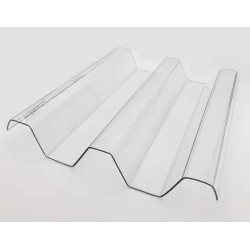
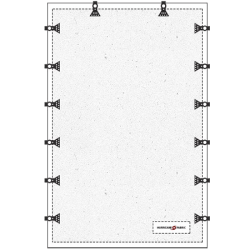
Storm panel systems commonly require:
- Anchor spacing calculations
- Panel span engineering
- Structural attachment details
- Opening-specific pressures
- Fastener engineering
Learn more about Storm Panels.
Impact Window Wind Load Requirements
Impact windows and impact doors commonly require:
- Structural opening engineering
- Frame attachment calculations
- Design pressure ratings
- Product approvals
- Installation specifications
Learn more about Impact Windows.
Why Engineering Matters for Wind Load Compliance
Engineering support commonly helps determine:
- Required design pressures
- Fastener spacing
- Structural attachment methods
- Opening-specific requirements
- Code compliance
Engineering requirements vary depending on:
- Building type
- Opening size
- Coastal exposure
- Structure height
- Project conditions
Waterfront Homes and High Wind Exposure
Waterfront homes and coastal buildings often experience:
- Extreme wind exposure
- Salt-heavy environments
- Higher design pressures
- Large exposed openings
- Severe hurricane conditions
These conditions often require advanced engineered hurricane protection systems designed specifically for severe coastal wind exposure.
Factory Direct Hurricane Protection Systems
Maximum Shutters provides factory-direct hurricane shutters and impact protection systems engineered for wind load compliance, coastal exposure, and Florida hurricane conditions.
Support includes:
- Engineering support
- Wind load analysis
- Miami-Dade approved systems
- HVHZ compliance support
- Large opening solutions
- Worldwide shipping
Final wind load requirements vary depending on building conditions, opening dimensions, exposure conditions, and project scope.
Request Hurricane Shutter Pricing
Frequently Asked Questions
What are hurricane shutter wind loads?
Wind loads are engineering calculations used to determine the pressure forces hurricane shutters must withstand during severe storm conditions.
What are design pressures?
Design pressures measure the inward and outward forces applied to hurricane protection systems during hurricanes and high wind events.
Do waterfront homes require higher wind load ratings?
Many waterfront homes and coastal buildings require significantly higher design pressures because of severe wind exposure.
Do hurricane shutters require engineering?
Many hurricane protection systems require engineering for structural attachment methods, wind loads, and code compliance.
Do HVHZ areas require higher wind load standards?
Yes. HVHZ areas such as Miami-Dade and Broward County commonly require enhanced wind load engineering and stricter hurricane protection standards.
Get Factory Direct Hurricane Shutter Pricing
Get factory-direct accordion shutters, rolling shutters, storm panels, impact windows, and engineered hurricane protection systems designed for Florida wind load requirements.